WELCOME TO ULTRA BIOHACKS - OPTIMIZE. ADAPT. THRIVE.

Why 60% of People Fail Their Weight-Loss Resolutions (And the Biohacks That Actually Work)
Most diets aren’t failing because you’re lazy or undisciplined-they’re fighting your biology. In this post, you’ll learn why up to 60% of people fall off their weight‑loss resolutions and how to use simple, sustainable biohacks to finally lose fat, reduce cravings, and feel in control of your body again.
FAT LOSS & BODY COMPOSITION
The Ultra Biohacks Team
3/20/20266 min read
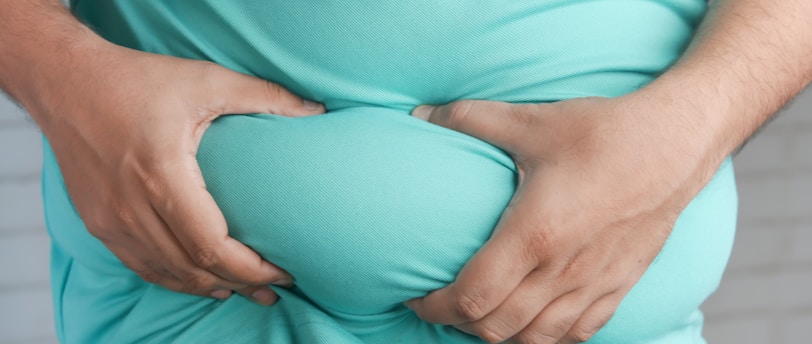

Why 60% of People Fail Their Weight-Loss Resolutions (And the Biohacks That Actually Work)
Every January, millions of people promise themselves they’ll finally lose weight.
Yet a large national survey in Canada found that 60% of people struggled to meet their most recent weight‑loss resolution, often ending up discouraged and ready to give up. Other research shows that while diets can cause short‑term weight loss, most people regain the weight within a few years.
So if you’ve started and stopped multiple times, it’s not because you’re weak. Your biology, your environment, and the typical “diet” approach are stacked against you. In this article, you’ll learn why most weight‑loss resolutions fail-and how to use simple biohacks to finally make progress that sticks.
The Real Reason Most Diets Fail (It’s Not Willpower)
Diets Trigger Your Body’s Survival Mode
A diet is usually a short‑term set of food rules meant to make you lose weight fast-often through strict calorie cuts or removing whole food groups. When you suddenly slash calories, your body doesn’t see it as “getting beach‑ready”; it reads it as a possible famine.
Research shows that when people cut calories aggressively, the body responds by slowing down metabolism (how many calories you burn at rest) and changing key hormones that control hunger and fullness. You burn fewer calories and feel more driven to eat-especially high‑calorie foods.
In other words: your body fights back against your resolution.
Hunger and Cravings Go Through the Roof
Two major hormones shift when you diet hard:
Ghrelin: often called the “hunger hormone,” goes up, making you feel hungrier.
Leptin: the hormone that helps you feel full, goes down, so it’s harder to feel satisfied.
Studies show these changes can last long after the diet ends, pushing your body to regain the weight you lost. That’s why so many people experience the classic pattern: lose some weight, cravings explode, energy crashes, then weight slowly comes back-sometimes even higher than before.
All-or-Nothing Rules Set You Up to Quit
On top of biology, most resolutions are built on extreme, all‑or‑nothing rules:
“No sugar ever again.”
“I’ll work out every single day.”
“I’ll stick to 1,200 calories, no matter what.”
Psychologists note that this kind of rigid thinking makes slip‑ups feel like total failure, which leads to guilt, binge‑eating, and quitting. When life happens-stress, kids, work, travel-these rules are almost impossible to follow. Many people end up in a yo‑yo dieting pattern: repeating cycles of losing weight and gaining it back, which is linked to slower metabolism, more hunger, and higher long‑term weight.
Why Your Resolution Feels Great in January-and Falls Apart by February
The Motivation High Fades Fast
Right after New Year’s, motivation is sky‑high. You’re inspired by before‑and‑after photos, new gym memberships, and bold promises. But data on resolutions shows that a large majority of people abandon their goals within the first few weeks, often by early February.
The problem: resolutions are usually built on motivation, not systems. When motivation dips-which it always does-there’s nothing solid to fall back on.
Focusing Only on Diet and Exercise Misses the Bigger Picture
In a Canadian survey, an estimated 14 million people planning to lose weight said they would rely mainly on diet and exercise, without addressing biological and hormonal factors. Experts now estimate that 40-70% of body weight is influenced by biology, including genetics and hormones.
That means: if you only focus on “eat less, move more,” without considering sleep, stress, environment, and metabolic health, you’re fighting with one hand tied behind your back.
Think Like a Biohacker, Not a Dieter
A biohack is simply a small, strategic change to your lifestyle or environment that nudges your biology in a better direction. Instead of forcing your body to obey extreme rules, you make the healthy choice easier and more automatic.
Here’s how to shift from “resolution mode” to “biohacker mode.”
Step 1: Track Signals, Not Just the Scale
Most people only track one number: body weight. But the scale often moves slowly, especially at the start. That’s why many people quit just when their body is starting to adapt in a good way.
Start tracking signals your metabolism is improving:
Waist measurement (around the belly button) once a week.
Daily energy levels (rate 1-10).
Cravings (how strong and how often).
Sleep quality (hours and how rested you feel).
These metrics often improve before the scale does. Seeing small wins keeps you engaged long enough for visible fat loss to show up.
Step 2: Add Before You Subtract
Traditional dieting starts with removal: cut carbs, cut sugar, cut fat, cut everything. That’s why it feels like punishment. A more effective approach is to add key foods first so your body is satisfied and less likely to crave junk.
Focus on adding:
Protein at every meal (eggs, Greek yogurt, cottage cheese, fish, chicken, tofu, lentils).
Fiber from fruits, vegetables, beans, and whole grains.
Water throughout the day.
When you consistently eat more protein and fiber, you naturally feel fuller, snack less, and often eat fewer calories without trying. Over time, this makes it much easier to reduce ultra‑processed foods without feeling deprived.
Step 3: Design Your Environment to Win
Your environment quietly shapes most of your choices. If your kitchen is full of cookies, chips, and soda, you will eventually eat cookies, chips, and soda-especially when you’re stressed or tired.
Environment design just means arranging your surroundings so the healthy choices are the easiest ones. A few simple biohacks:
Keep pre‑cut veggies, fruit, and protein (boiled eggs, cooked chicken, Greek yogurt) at eye level in the fridge.
Put “trigger foods” out of sight-or don’t buy them for home at all.
Keep a water bottle on your desk and in your bag.
Lay out workout clothes or shoes where you’ll see them first thing in the morning.
Studies on behavior change show that when the healthy option is more convenient and visible, people choose it far more often-without needing more willpower.
Step 4: Use Movement as a Metabolic Lever (Not a Punishment)
Many resolutions start with intense workouts: 6 days a week, long cardio sessions, and brutal classes. This often leads to soreness, burnout, and quitting. A smarter strategy is to treat movement as a metabolic lever, not a punishment for eating.
Key ideas:
Walking is a fat‑loss superpower. Regular walking improves insulin sensitivity and helps your body handle carbs better.
Strength training builds muscle, and muscle acts like a sponge for blood sugar, helping your metabolism stay higher.
You don’t need a hardcore athlete routine. For most people:
Aim for 7,000-10,000 steps per day, built around your lifestyle.
Do 2–3 full‑body strength sessions per week (bodyweight, bands, or weights).
This combo is far more sustainable-and metabolically powerful-than doing a “beast mode” plan you quit after two weeks.
Step 5: Stop Ignoring Sleep and Stress
Most resolutions obsess over food and workouts but skip sleep and stress, even though both strongly affect hunger, cravings, and fat storage.
Poor sleep raises ghrelin (more hunger) and lowers leptin (less fullness), making it much harder to stick to any diet.
Chronic stress keeps cortisol high, which can increase appetite and promote belly fat.
Simple biohacks:
Aim for a consistent bedtime and wake time at least 5 days a week.
Set a phone cutoff 30-60 minutes before bed.
Use a 3-5 minute breathing exercise or short walk when stress spikes instead of reaching for snacks.
By calming your nervous system and improving sleep, you make every other fat‑loss habit easier.
The 4-Week Ultra Biohacks Fat-Loss Reset
Week 1: Awareness & Tracking
Weigh yourself and measure your waist once (no daily weigh‑in obsession).
Start tracking: steps, energy (1–10), cravings, and sleep hours.
Add protein to every meal without changing anything else.
Week 2: Walk After Meals
Keep Week 1 habits.
Add a 10-15 minute walk after 1-2 meals per day most days of the week.
Make one snack per day a whole-food choice (fruit + protein, yogurt, nuts).
Week 3: Sleep & Screen Reset
Keep Weeks 1-2 habits.
Pick a bedtime and wake time you can stick to 5 days a week.
Turn screens to “night mode” and dim lights 1 hour before bed.
Week 4: Upgrade Food Quality (Without Perfection)
Keep Weeks 1-3 habits.
Identify 1-2 ultra‑processed foods you eat every day (e.g., sugary drinks, fast food, packaged sweets).
Swap them for whole‑food options most days (sparkling water or tea instead of soda, home‑cooked meal instead of drive‑thru).
By the end of 4 weeks, most people will notice better energy, fewer cravings, improved sleep, and some change in waist size-even if the scale is only just starting to move. That’s the moment where old resolutions would normally die. With this biohacker approach, it’s where real transformation starts.
Final Thoughts: You’re Not Broken-Your Strategy Was
If you’ve “failed” weight‑loss resolutions before, remember:
Diets that rely on extreme restriction almost always trigger biological pushback and long‑term regain.
Motivation spikes fade, but simple systems and environment design last.
Small, science‑backed biohacks-tracking signals, adding protein and fiber, walking more, lifting a bit, improving sleep and stress-work with your body instead of against it.
You are not the problem. The old resolution model is.
When you start thinking like a biohacker, your next attempt doesn’t have to be another round of yo‑yo dieting-it can be the start of a sustainable, metabolically healthy life.
Contact Us
© 2026. All rights reserved.